The Ethics of AI in Art Conservation: Balancing Preservation with Restoration
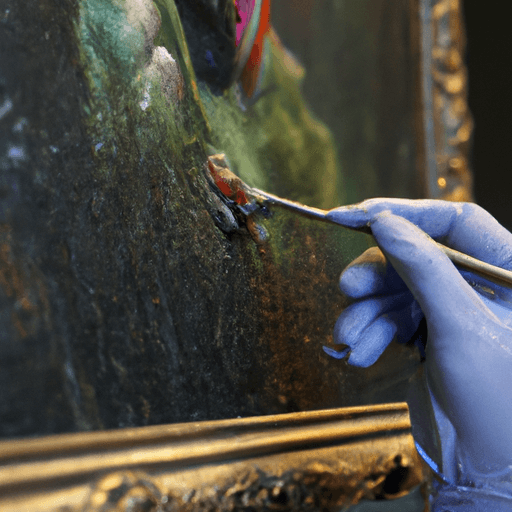
The Ethics of AI in Art Conservation: Balancing Preservation with Restoration
Table of Contents
- Introduction
- Understanding the Role of AI in Art Conservation
- Preservation vs. Restoration: The Dilemma
- AI Tools in Art Conservation
- AI Experiments & Projects
- AI Career Guides & Roadmaps
- AI for Specific Niches
- AI Tool Reviews & Comparisons
- Ethical Considerations in AI-Assisted Art Conservation
- Case Studies: AI in Art Restoration
- Conclusion
Introduction
Art conservation is a delicate balance between preserving the original state of artworks and restoring them to their former glory. With the advancements in technology, particularly artificial intelligence (AI), the field of art conservation is undergoing a revolutionary transformation. AI offers powerful tools that can analyze, diagnose, and even restore artworks with remarkable accuracy. However, the integration of AI in art conservation raises ethical questions regarding the balance between preservation and restoration. In this article, we will delve into the ethics of AI in art conservation, exploring how conservationists navigate the fine line between preserving the authenticity of artworks and enhancing their aesthetic appeal through technological interventions.
Understanding the Role of AI in Art Conservation
Art conservation encompasses a broad spectrum of activities aimed at prolonging the lifespan of artworks and maintaining their cultural value. Traditionally, conservationists relied on manual techniques and empirical knowledge to assess the condition of artworks and devise appropriate restoration strategies. However, the advent of AI has revolutionized the field by offering sophisticated tools for image analysis, pattern recognition, and color matching. AI algorithms can process vast amounts of visual data and detect subtle changes in artwork surfaces that may be imperceptible to the naked eye.
Preservation vs. Restoration: The Dilemma
One of the fundamental dilemmas in art conservation is the tension between preservation and restoration. Preservation emphasizes maintaining the original state of artworks, including signs of wear and aging that reflect their historical significance. On the other hand, restoration aims to repair damages and revitalize artworks, enhancing their aesthetic appeal for contemporary audiences. The challenge lies in striking a balance between these two objectives, as excessive restoration can diminish the authenticity of artworks, while overly conservative preservation can leave them inaccessible or unappealing to viewers.
AI Tools in Art Conservation
AI technologies offer a range of applications in art conservation, from automating tedious tasks such as image analysis and documentation to facilitating complex restoration processes. Machine learning algorithms can analyze large datasets of art historical information and identify patterns indicative of specific artists' styles or techniques. Moreover, AI-powered imaging techniques, such as reflectance transformation imaging (RTI) and multispectral imaging, can reveal hidden details in artworks, including underdrawings, pentimenti, and previous restoration interventions.
AI Experiments & Projects
AI experiments in art conservation are pushing the boundaries of what is possible. Projects like using generative adversarial networks (GANs) to reconstruct missing parts of paintings or simulate aging processes help conservators make informed decisions. Collaborative projects between museums and tech companies are also exploring how AI can predict deterioration patterns and suggest preventive measures, making conservation more proactive than ever before.
AI Career Guides & Roadmaps
For those interested in a career at the intersection of AI and art conservation, the field offers exciting opportunities. Aspiring professionals should focus on building a strong foundation in both art history and computer science. Roadmaps often include learning about machine learning, computer vision, and digital imaging, as well as gaining hands-on experience with conservation labs or tech startups working in cultural heritage. Networking with professionals and staying updated with the latest research is crucial for career growth.
AI for Specific Niches
AI's impact extends beyond traditional art conservation. In fields like archaeology, AI is used to reconstruct ancient artifacts and decipher faded inscriptions. In digital media, AI helps restore old films and photographs. Even in fashion and design, AI-driven restoration techniques are being applied to preserve textiles and costumes. Each niche presents unique challenges and opportunities for innovation.
AI Tool Reviews & Comparisons
A variety of AI tools are available for art conservation, each with its strengths and limitations. Tools like Adobe Photoshop's AI-powered features, DeepArt, and custom machine learning models are commonly used for image restoration and enhancement. Comparing these tools involves evaluating their accuracy, ease of use, and ability to handle different types of artworks. Reviews from conservation professionals and case studies can help guide the selection of the most appropriate tools for specific projects.
Ethical Considerations in AI-Assisted Art Conservation
The integration of AI in art conservation poses several ethical challenges that conservationists must address. One of the primary concerns is the potential loss of human expertise and intuition in the conservation process. While AI algorithms excel at rapid data processing and pattern recognition, they may lack the nuanced understanding of cultural context and artistic intent that human conservators bring to their work. Additionally, the use of AI in art restoration raises questions about authenticity and authorship, as automated interventions can blur the boundaries between original and restored elements in artworks.
Case Studies: AI in Art Restoration
Several notable case studies demonstrate the impact of AI technologies on art restoration projects. For example, the restoration of Leonardo da Vinci's "The Last Supper" involved the use of AI algorithms to analyze the artist's painting techniques and color palette, guiding conservators in their decision-making process. Similarly, the restoration of Vincent van Gogh's "The Starry Night" benefited from AI-enhanced imaging techniques that revealed previously hidden details in the artwork, shedding light on the artist's creative process and underlying concepts.
Conclusion
In conclusion, the ethics of AI in art conservation present a complex interplay of technological innovation, cultural heritage, and aesthetic values. While AI offers exciting possibilities for enhancing the efficiency and accuracy of conservation practices, its integration into the field must be approached with caution and critical reflection. Conservationists must remain vigilant in balancing the preservation of artworks' authenticity with the innovative potential of AI tools for restoration. Ultimately, the ethical considerations surrounding AI in art conservation underscore the enduring importance of human judgment, expertise, and ethical responsibility in safeguarding our cultural heritage for future generations.